

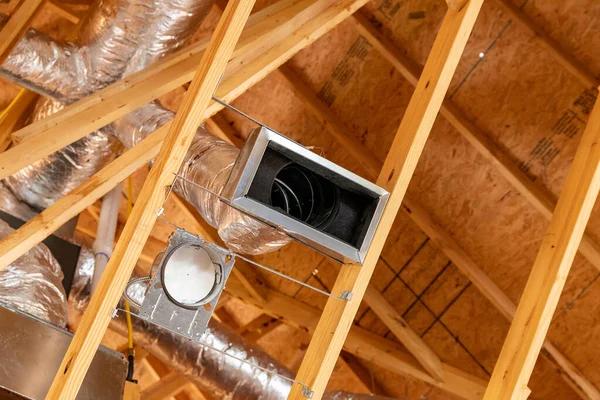
When it comes to maintaining a comfortable and efficient home environment, much attention is often given to the heating and cooling units themselves. However, experts in HVAC systems emphasize that the condition of your ductwork is equally crucial. While the furnace or air conditioner might be considered the heart of climate control within a home, ductwork acts as the circulatory system, ensuring that conditioned air reaches every corner effectively.
One primary reason why ductwork condition matters is efficiency. Ducts that are well-maintained and properly sealed can significantly enhance the overall efficiency of your HVAC system. Leaky or poorly insulated ducts can lead click to find out substantial energy losses; in fact, studies have shown that up to 30% of heated or cooled air can be lost through faulty ducts. This not only increases utility bills but also places unnecessary strain on your heating and cooling units as they work harder to compensate for these losses.
Indoor air quality (IAQ) is another critical factor influenced by ductwork condition. Over time, dust, allergens, and other pollutants can accumulate within ducts if they are not regularly cleaned or maintained. These contaminants are then circulated throughout your home each time your HVAC system operates, potentially exacerbating allergies or respiratory issues among occupants. Therefore, keeping ducts clean ensures healthier indoor environments by minimizing pollutant distribution.
Moreover, proper ductwork contributes significantly to even temperature distribution across different rooms in a house. Inconsistent temperatures between rooms often indicate issues with airflow due to blockages or leaks within the ducts. By addressing these problems through regular inspections and maintenance, homeowners can ensure more consistent comfort levels throughout their living spaces.
The longevity of an HVAC system is also closely tied to its associated ductwork’s condition.