

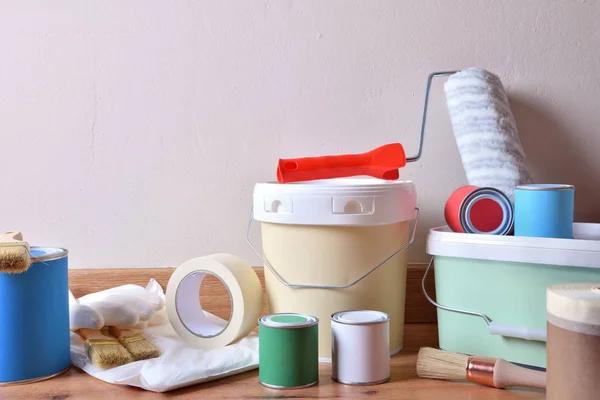
Repainting a house can dramatically enhance its appearance, protect its surfaces, and increase its value. However, achieving a successful repaint requires careful planning and attention to detail. One of the first steps is to assess the current condition of the exterior or interior surfaces to be painted. Look for peeling, cracking, or blistering paint, as well as any signs of mold, mildew, or water damage. Addressing these issues before painting will ensure a smooth and durable finish. Cleaning the surfaces thoroughly is essential; dirt, dust, and grease can prevent paint from adhering properly. Power washing exterior walls or scrubbing interior surfaces can make a significant difference in the final outcome.
Choosing the right type of paint is crucial. Consider factors such as the material of the surface, exposure to weather, and the desired finish. For example, exterior paints need to be weather-resistant and durable, while interior paints should be easy to clean and low in volatile organic compounds (VOCs) to promote indoor air quality. Selecting the appropriate sheen, whether matte, satin, or glossy, affects both aesthetics and durability. It is important to invest in high-quality paint and primers, as cheaper products may not provide adequate coverage or longevity.
Timing plays an important role in repainting a house, especially for exterior projects. Avoid painting during extreme weather conditions such as very hot, cold, or humid days, as these can affect drying times and adhesion. Ideally, choose a period with mild temperatures and low humidity. If you plan to hire professional painters, schedule the job well in advance to secure availability and allow time for any necessary preparations.
Preparation extends beyond cleaning and includes repairing damaged areas. Fill holes, cracks, and imperfections with suitable fillers or caulk. Sand rough or glossy surfaces to create a proper base for the new paint. Protect surrounding areas such as windows, doors, plants, and walkways with drop cloths or painter’s tape to prevent accidental splashes or stains.
Finally, consider safety precautions. Use ladders and scaffolding correctly, wear protective gear such as masks and gloves, and ensure proper ventilation when working indoors. Taking these steps will help avoid accidents and health issues during the repainting process. By carefully planning and executing each stage—from surface preparation to selecting the right materials and timing—you can achieve a professional-looking, long-lasting paint job that revitalizes view your options home’s appearance.