

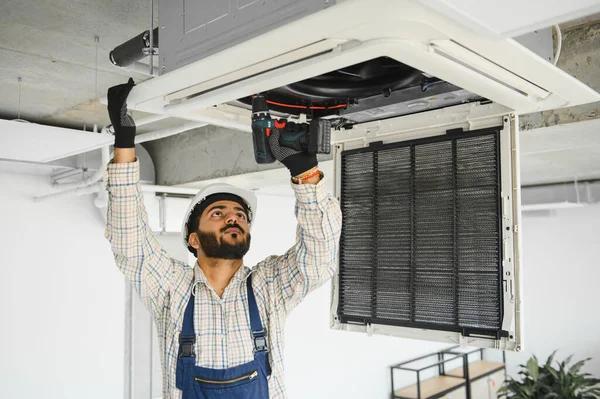
Air conditioning systems are essential for maintaining comfort in homes and offices, particularly during the sweltering summer months. However, like any other appliance, they can encounter issues that affect their performance. One common problem faced by many homeowners is AC short cycling. Understanding the causes of this issue and knowing how to address it effectively can help prevent discomfort and potential damage to your air conditioning unit.
Short cycling occurs when an air conditioner turns on and off more frequently than it should. This not only reduces efficiency but also increases wear and tear on the system, potentially leading to costly repairs or even premature replacement. Several factors can contribute to short cycling.
One primary cause of short cycling is an oversized air conditioner. When an AC unit is too large for a space, it cools the area quickly but does not run long enough to properly dehumidify the air or maintain consistent temperatures. As a result, it turns off prematurely and then cycles back on shortly after as temperatures rise again.
Another common culprit is a malfunctioning thermostat. If a thermostat is inaccurately reading room temperatures or located near heat sources such as direct sunlight or appliances that emit heat, it may signal view us online the AC unit to turn on or off at inappropriate times.
Low refrigerant levels due to leaks can also lead to short cycling. Insufficient refrigerant prevents the system from effectively cooling the air, causing it to cycle more frequently in an attempt to reach desired temperature settings.
Additionally, clogged filters restrict airflow within the system, forcing it to work harder than necessary and resulting in frequent cycling as well as reduced overall efficiency.
1. Properly sizing your AC unit: Consult with HVAC professionals when installing new systems or replacing old ones; they will ensure you have a correctly sized unit based on your specific needs which helps avoid problems associated with oversized units.
2. Regular maintenance: Schedule routine inspections by qualified technicians who can identify potential problems early before they escalate into major concerns like refrigerant leaks or electrical malfunctions affecting thermostats’ operations among others aspects involved ensuring optimal functioning throughout its lifespan thereby minimizing chances experiencing such occurrences altogether!
3 . Replace filters regularly: Clogged filters impede airflow causing undue stress leading eventually towards breakdowns hence replacing them every 30-60 days depending usage conditions ensures smooth operation without unnecessary interruptions while maintaining indoor quality simultaneously improving energy efficiency saving money over time!
By understanding these common causes behind AC short-cycling along implementing effective solutions outlined above one significantly reduces risks associated prolongs equipment life ultimately enhancing comfort levels enjoyed all year round!