

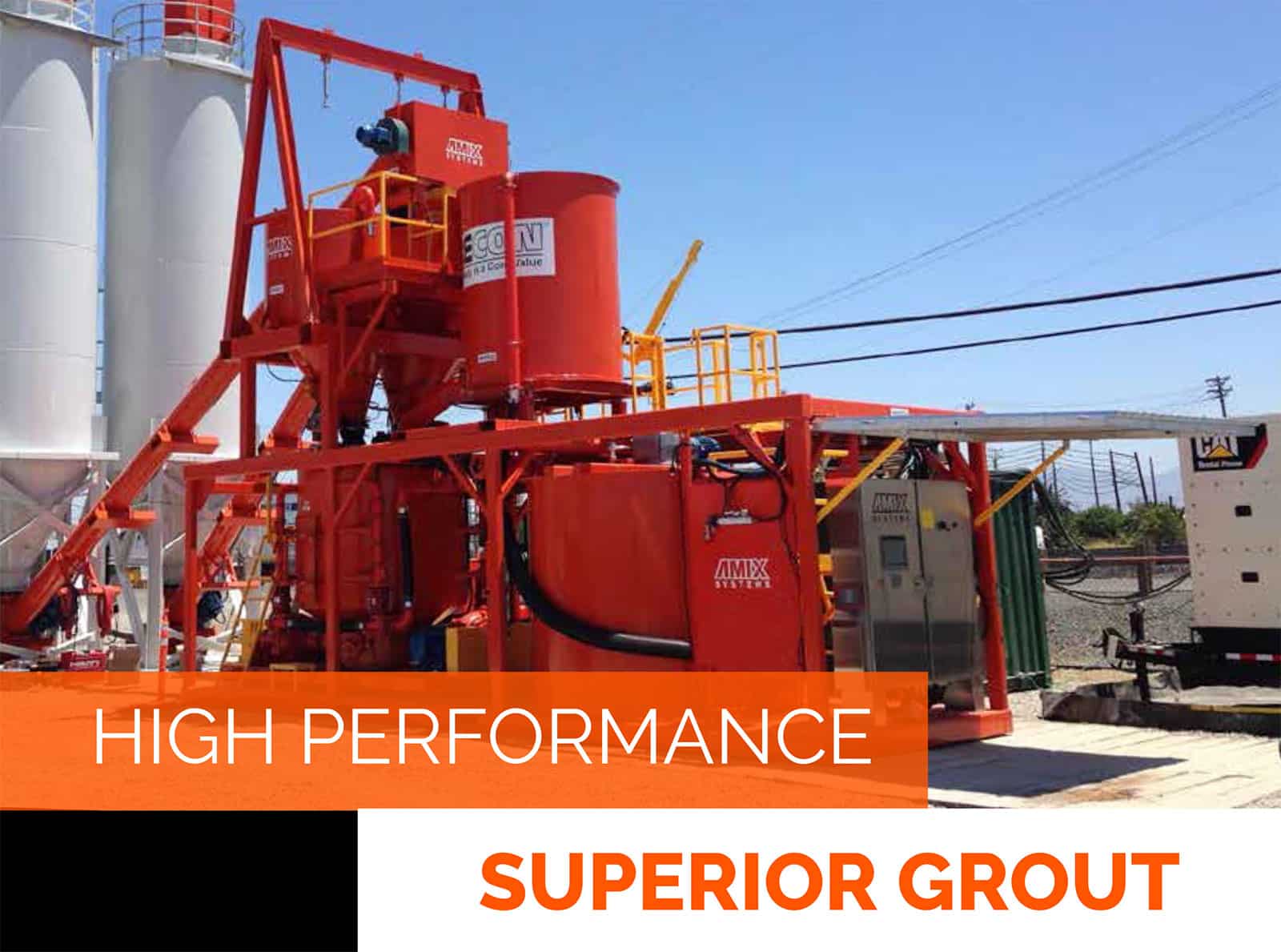
In civil engineering, the efficiency and quality of grouting processes play a crucial role in ensuring the stability and durability of structures. One of the essential tools that have significantly enhanced these processes is the colloidal mixer. Specifically designed for grouting applications, colloidal mixers are instrumental in preparing high-quality grout mixtures with uniform consistency and superior performance characteristics.
A colloidal mixer operates by utilizing a rotor-stator mechanism that generates intense shear forces to disperse particles evenly within a liquid medium. This action breaks down agglomerates and ensures thorough mixing at a microscopic level, resulting in a homogeneous grout mixture. The importance of such uniformity cannot be overstated in civil engineering projects where grout is used to fill voids, seal cracks, or stabilize soil structures. Uneven or poorly mixed grout can lead to weak spots, reduced strength, and ultimately compromise structural integrity.
In grouting applications such as ground improvement, tunnel construction, dam repairs, and foundation strengthening, the properties of the grout-such as viscosity, particle size distribution, and setting time-must be carefully controlled. colloidal mixer mixers provide engineers with precise control over these parameters by enabling consistent dispersion of cementitious materials or chemical additives throughout the slurry. This results not only in improved flowability but also enhances penetration into fine cracks or porous soils.
Another advantage offered by colloidal mixers is their ability to handle various types of grout materials including cement-based slurries, bentonite suspensions, chemical grouts like polyurethane or silicate solutions. The versatility makes them indispensable on diverse job sites where different grouting techniques are employed depending on soil conditions and project requirements.
From an operational standpoint, colloidal mixers are designed for continuous use with robust construction materials capable of resisting abrasion caused by gritty components commonly found in grout mixtures. Their ease of maintenance coupled with efficient energy consumption further adds to their appeal among contractors aiming for cost-effective yet reliable equipment solutions.
Moreover, advances in technology have led to innovations such as variable speed drives which allow operators to adjust mixing intensity according to specific needs. This flexibility helps optimize material properties while minimizing waste and environmental impact associated with excess additive usage or improper mixing.
In summary, colloidal mixers represent an essential component in modern civil engineering practices related to grouting applications. By ensuring well-dispersed mixtures characterized by consistent texture and optimal physical properties they contribute significantly towards enhancing structural safety and longevity across numerous infrastructure projects worldwide. As demands for more sophisticated construction methods continue evolving so too will improvements in equipment like colloidal mixers that support these critical operations efficiently and effectively.