

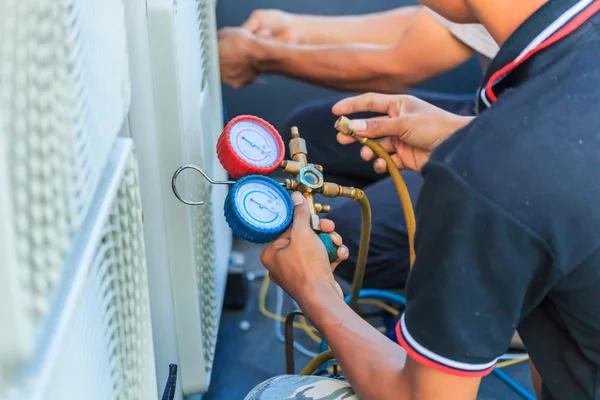
Weather changes can significantly impact the performance of Heating, Ventilation, and Air Conditioning (HVAC) systems. These systems are designed to maintain indoor comfort by regulating temperature and air quality. However, fluctuations in weather conditions can pose challenges that affect their efficiency and effectiveness.
During extreme weather conditions, HVAC systems often need to work harder to maintain the desired indoor climate. For instance, during hot summer months, increased outdoor temperatures can cause air conditioning units to run more frequently and for longer periods. This heightened demand not only increases energy consumption but also accelerates wear and tear on system components. Similarly, in winter, heating systems face increased stress as they strive to counteract cold drafts and maintain warmth indoors.
Humidity levels also play a crucial role in HVAC performance. High humidity during warmer months can make cooling systems less efficient as they have to remove excess moisture from view the official website air while cooling it down. This dual task demands more energy and reduces overall system efficiency. Conversely, low humidity in winter can lead to dry indoor air, which may prompt occupants to adjust thermostats higher than necessary for comfort—again increasing energy use.
The changing seasons bring about varying loads on HVAC systems due to differences in day-to-day temperature ranges. In transitional periods like spring or fall when temperatures fluctuate widely between day and night, HVAC systems must constantly adjust their operations accordingly. Frequent cycling on and off not only consumes more energy but also shortens the lifespan of system components due to repeated thermal expansion and contraction.
Moreover, weather changes influence external factors such as pollen count or pollution levels that directly impact indoor air quality—a critical aspect of HVAC functionality. During certain times of the year when allergens are prevalent outdoors, ventilation needs might increase indoors leading occupants or building managers to rely more heavily on filtration features within HVAC units.