

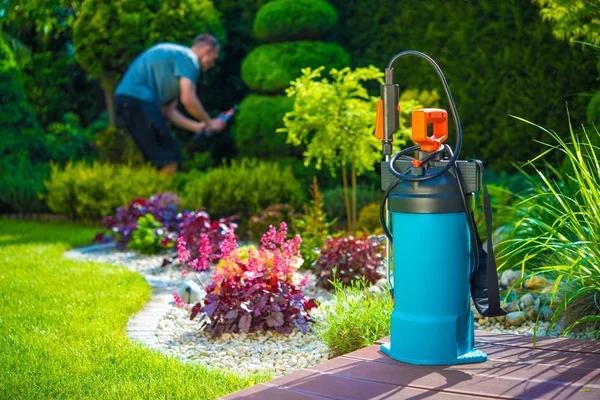
Maintaining a lush, green lawn is a source of pride for many homeowners. However, achieving and maintaining such a lawn can be challenging due to the presence of various pests that threaten its health and appearance. Effective lawn pest control is essential to ensure your grass remains vibrant and pest-free. By adopting an integrated approach that combines preventive measures, natural solutions, and selective chemical treatments, you can keep your lawn healthy while minimizing environmental impact.
The first step in effective lawn pest control is understanding the types of pests that commonly affect lawns. Common culprits include grubs, chinch bugs, armyworms, sod webworms, and mole crickets. Recognizing their presence early on can prevent extensive damage. Regularly inspecting your lawn for signs of infestation—such as brown patches or wilting grass—can help identify problems before they escalate.
Preventive measures form the foundation of any successful pest control strategy. Maintaining proper lawn care practices is crucial; this includes mowing at the appropriate height to avoid stressing the grass and watering deeply but infrequently to encourage deep root growth. Healthy lawns are more resilient against pests and diseases than stressed ones.
Incorporating natural solutions into your pest control regimen can be both effective and environmentally friendly. Beneficial insects like ladybugs or predatory nematodes can naturally reduce pest populations without harming your grass or beneficial organisms in the soil. Additionally, introducing companion planting with certain flowers or herbs known to repel specific pests can act as a natural deterrent.
When necessary, targeted chemical treatments may be used judiciously to address severe infestations that cannot be managed through other means alone. It’s important to choose products specifically designed for use on lawns and follow application instructions carefully to minimize harm to non-target species and reduce potential environmental contamination.
Another crucial aspect of effective lawn pest control involves cultural practices aimed at disrupting pest life cycles. Aeration helps improve soil drainage and reduces compaction—a condition conducive to some insect larvae development—and overseeding with resistant turfgrass varieties enhances resilience against specific pests.
Regular monitoring allows for timely interventions when needed; catching issues early makes them easier—and often cheaper—to resolve while preventing widespread damage across larger areas of turfgrass coverage within residential properties alike!
By integrating these strategies into routine maintenance activities throughout each growing season annually ensures sustainable outcomes over time despite ever-changing conditions outdoors beyond anyone’s immediate influence directly affecting personal property landscapes everywhere today! Through diligent effort combined with informed decision-making processes regarding best management practices available currently based upon scientific research findings globally recognized industry standards alike ultimately yields healthier greener spaces enjoyed all year round regardless where one resides geographically speaking!
TurfMark Outdoor Solutions
311 Garnett St Suite B, Buford, GA 30518
678-829-8873